Discover Dame Marie
The story of Dame Marie, Haiti
Dame Marie sits on the far western tip of Haiti’s Grand’Anse — a coastal town where turquoise water meets green mountains, and where generations of families have built a resilient, welcoming community. Its roots reach back to the 1700s, and in 2026 the town celebrates its 250th anniversary (1776–2026). It is a place of real beauty and real opportunity, with challenges that the right investment and partnership can help solve.
The goal of this page is simple: to help someone who has never visited Dame Marie understand why this community is special — and why supporting its development matters. Below, verified content will replace the sample text.
Historical and cultural details draw on the community’s 250th-anniversary jubilee book, “Dammari an Kondanse” (1776–2026).
History
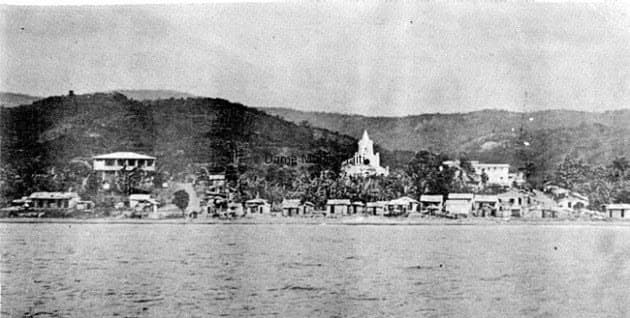
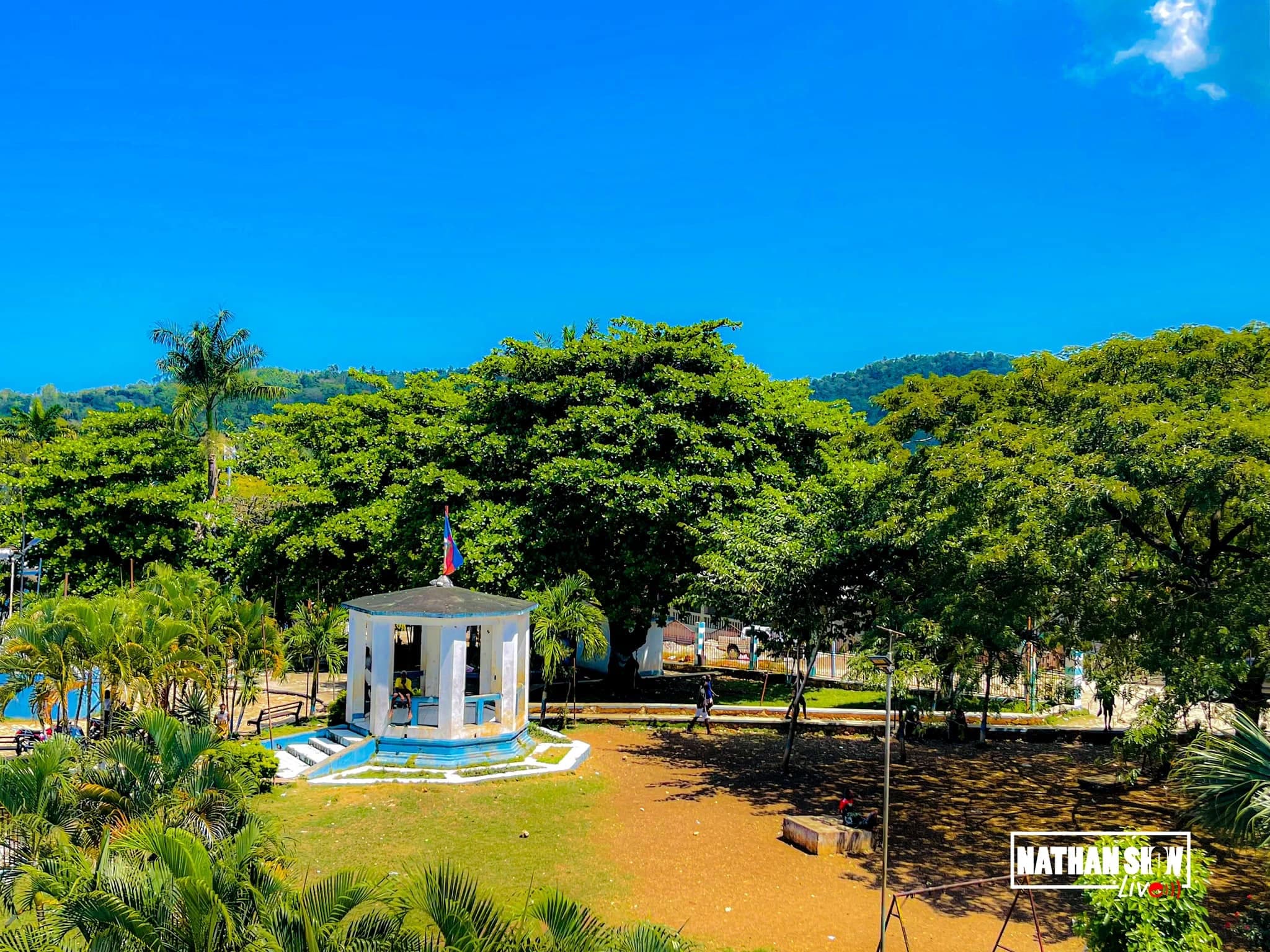
Dame Marie takes its name from Dame Marie Zulia, a courageous merchant from Martinique who came ashore in the 1700s — at Anbakadè Wouslen, the area known today as “FAO” — before settling on the high ground overlooking the town, where the public square now stands.
The community first took root in the Bouchi area, stretching from the heights near the sea down to the river, where the Sainte Catherine de Sienne educational center was later established. Spanish colonists once settled here too, and local tradition still tells of treasure they are said to have buried near the shore, hoping one day to return for it.
At the heart of the town stands its Catholic church, long its central landmark. The community also carries the memory of the Saint Sauveur, a boat lost in the Jérémie channel on the night of March 25–26, 1976, which took the lives of all aboard — traders and travelers from Dame Marie and neighboring towns. In 2026, Dame Marie marks its 250th jubilee (1776–2026), honoring generations of families who built it.
Geography
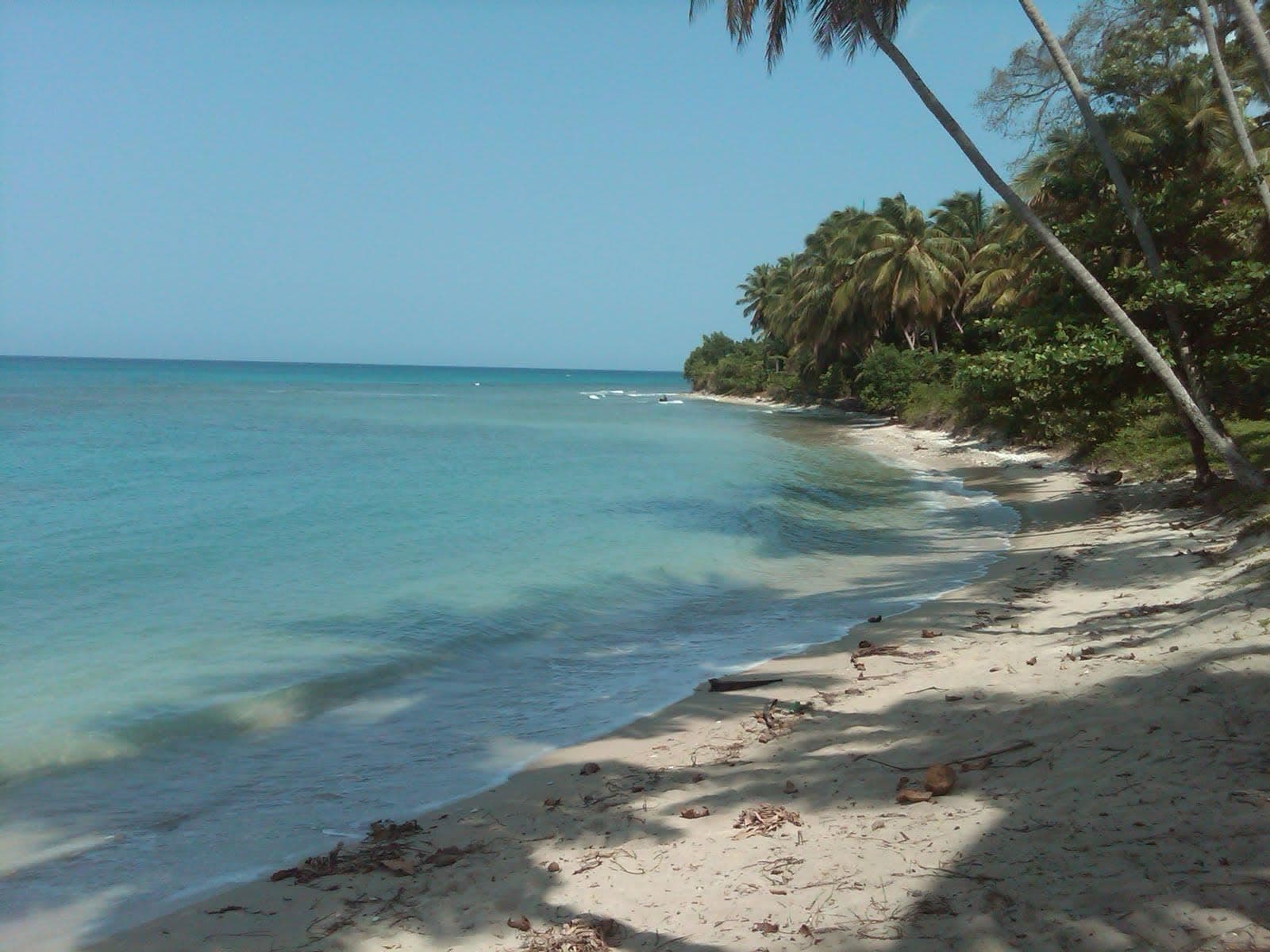
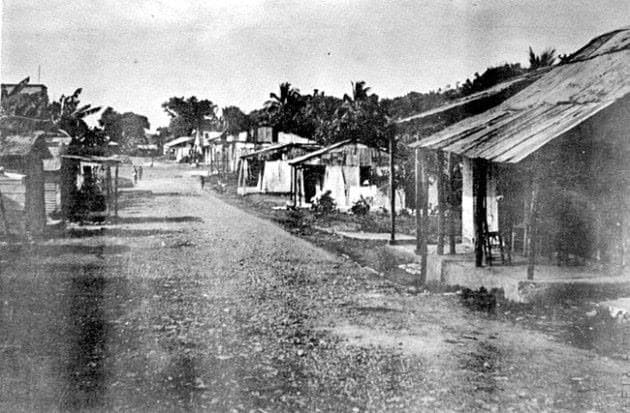
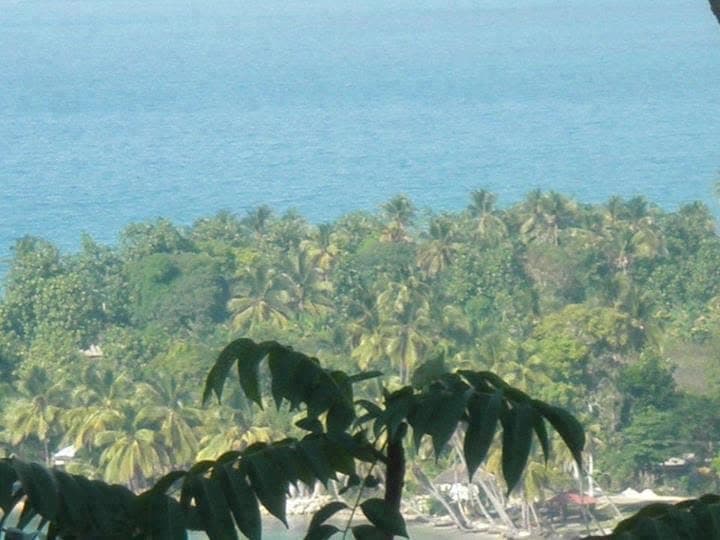
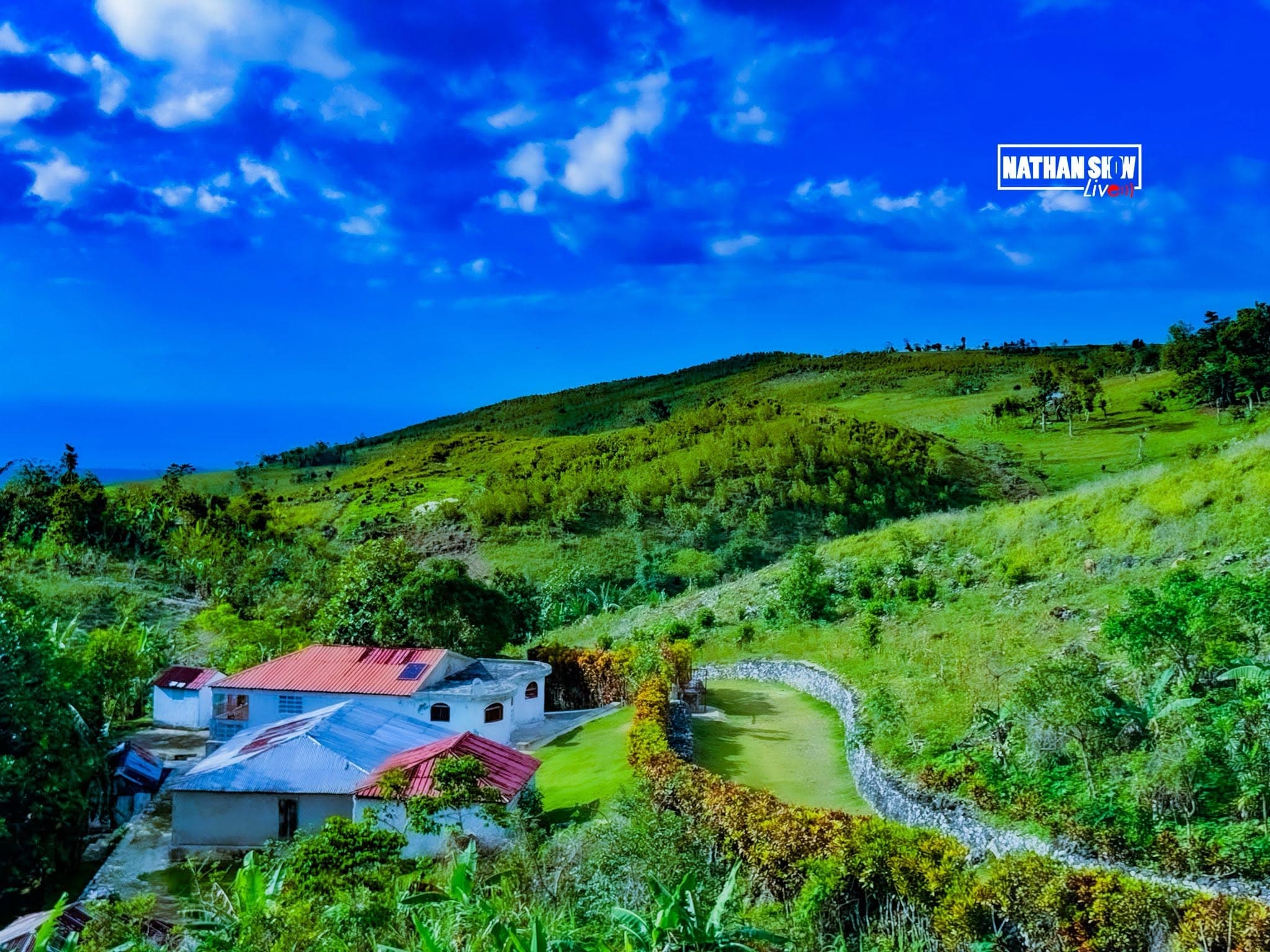
Dame Marie lies on the Caribbean coast at the western tip of Haiti’s southern peninsula, in the Grand’Anse department, just beyond Abricots. Green mountains descend toward the sea, and rivers run down toward the shore.
Reaching the town overland is a long journey from the south — across the plain of Les Cayes, over mountains, and past Jérémie along a rugged coastal road framed by cliffs. The sea has always been central to Dame Marie’s life and its connection to the wider world.
Culture
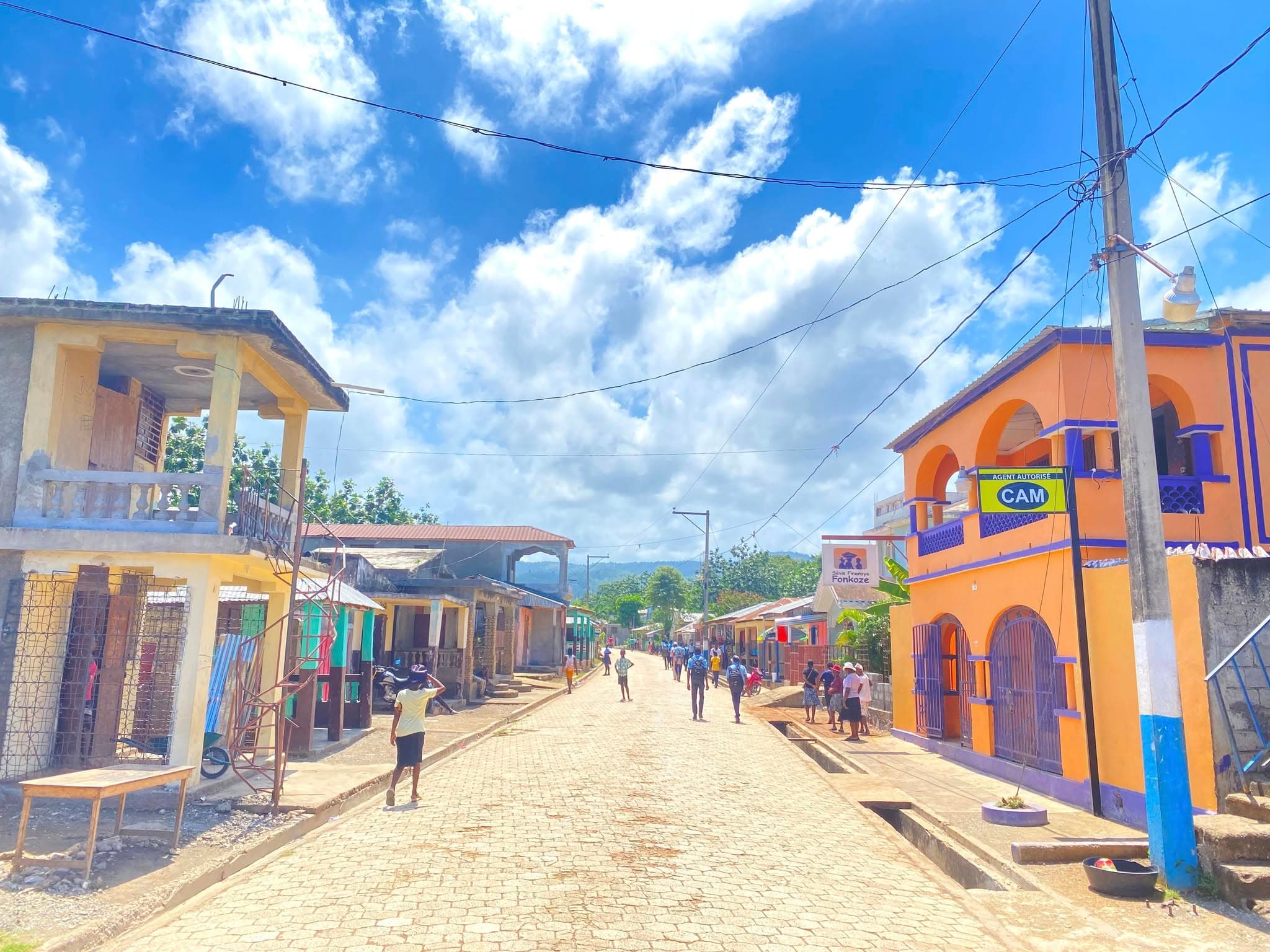
Faith and family are at the center of life in Dame Marie, with the Catholic church standing as the town’s historic heart. The commune is home to many churches as well as Vodou temples, reflecting a community of diverse and deeply held beliefs. Haitian Creole is the language of daily life, spoken alongside French.
Music, food, and shared traditions bind the community together — including a devoted diaspora who remain deeply connected to home, near and far.
Population & People
Dame Marie is organized into five communal sections — including Baryadèl, Tapona, Dézormeau, and Tirivyè — spanning the coast and the surrounding countryside.
The community has grown steadily over generations, and its greatest asset is its people: hardworking families, entrepreneurs, farmers, fishers, teachers, and young people full of potential. (Specific population figures will be published here once confirmed from a reliable source.)
Education
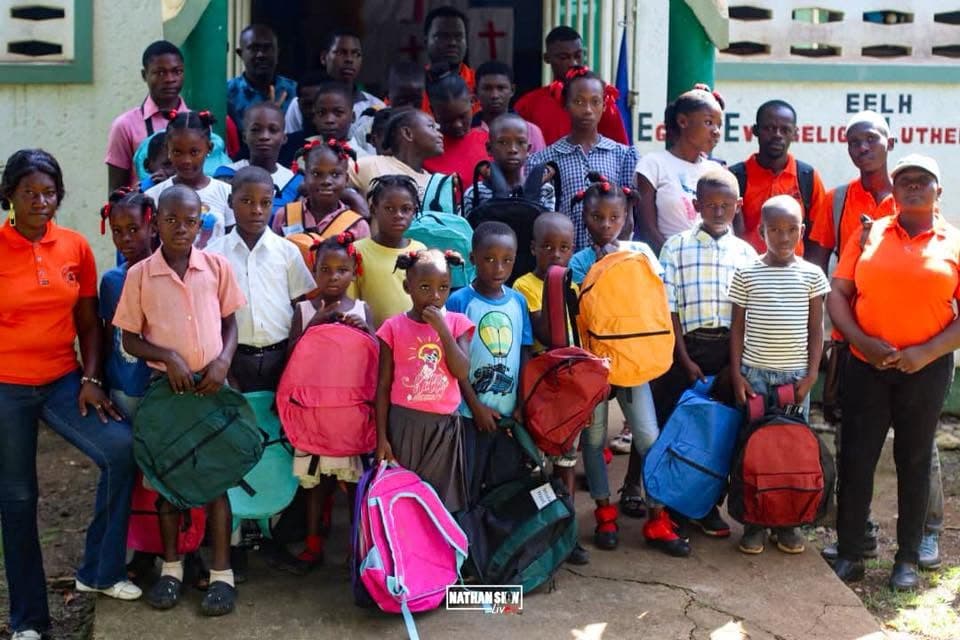
Education has deep roots in Dame Marie — from the historic Moussignac school and the Sainte Catherine de Sienne center by the river, to decades of devoted service by religious sisters in the parish spanning more than 75 years.
In under a century, the number of schools grew from just two in 1925 to more than fifty by 2025, and the town now has a structure to support upper-secondary students. Even so, schools and teachers work with limited resources, and expanding access to quality education remains one of the community’s highest priorities.
Agriculture
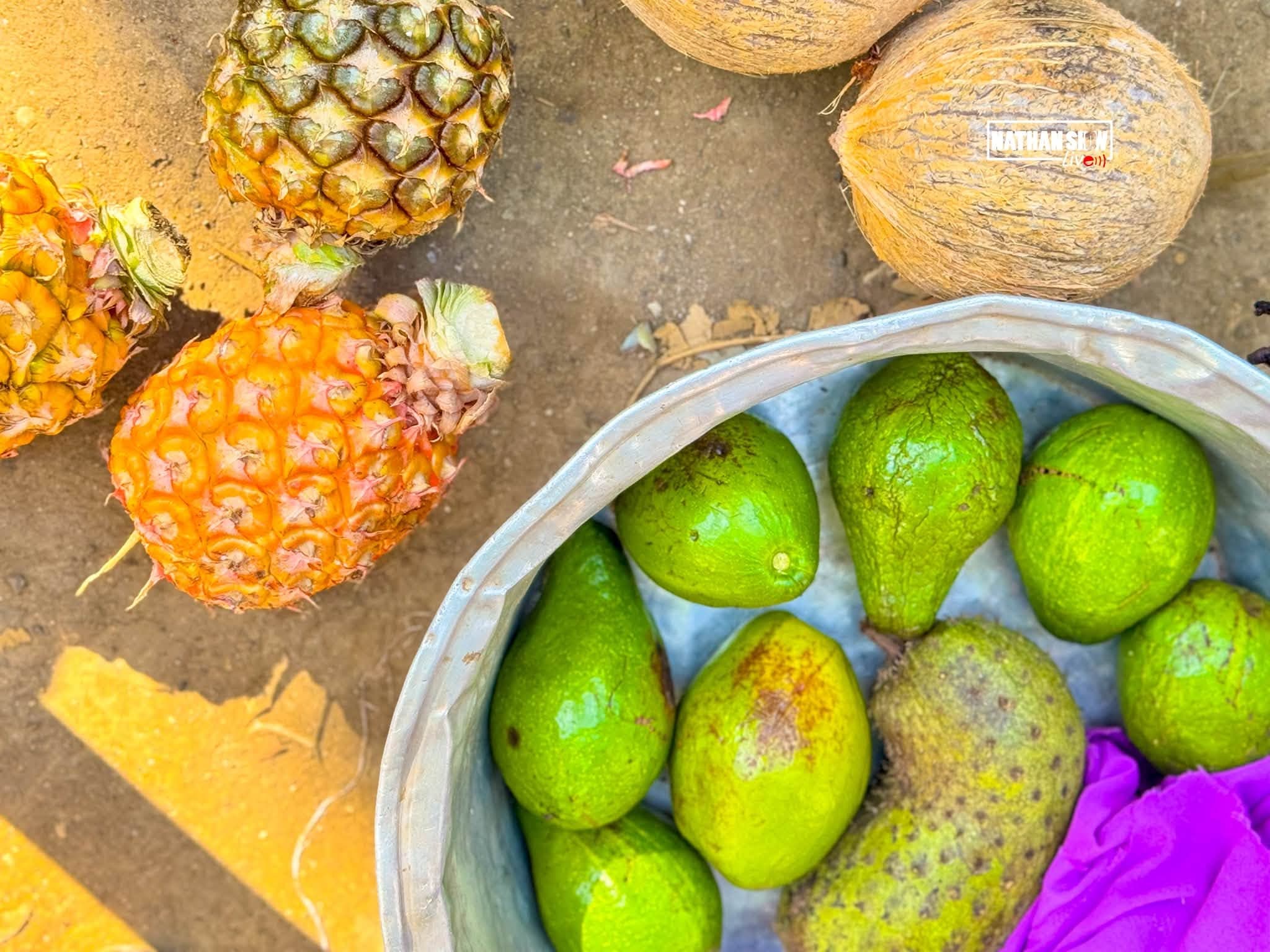
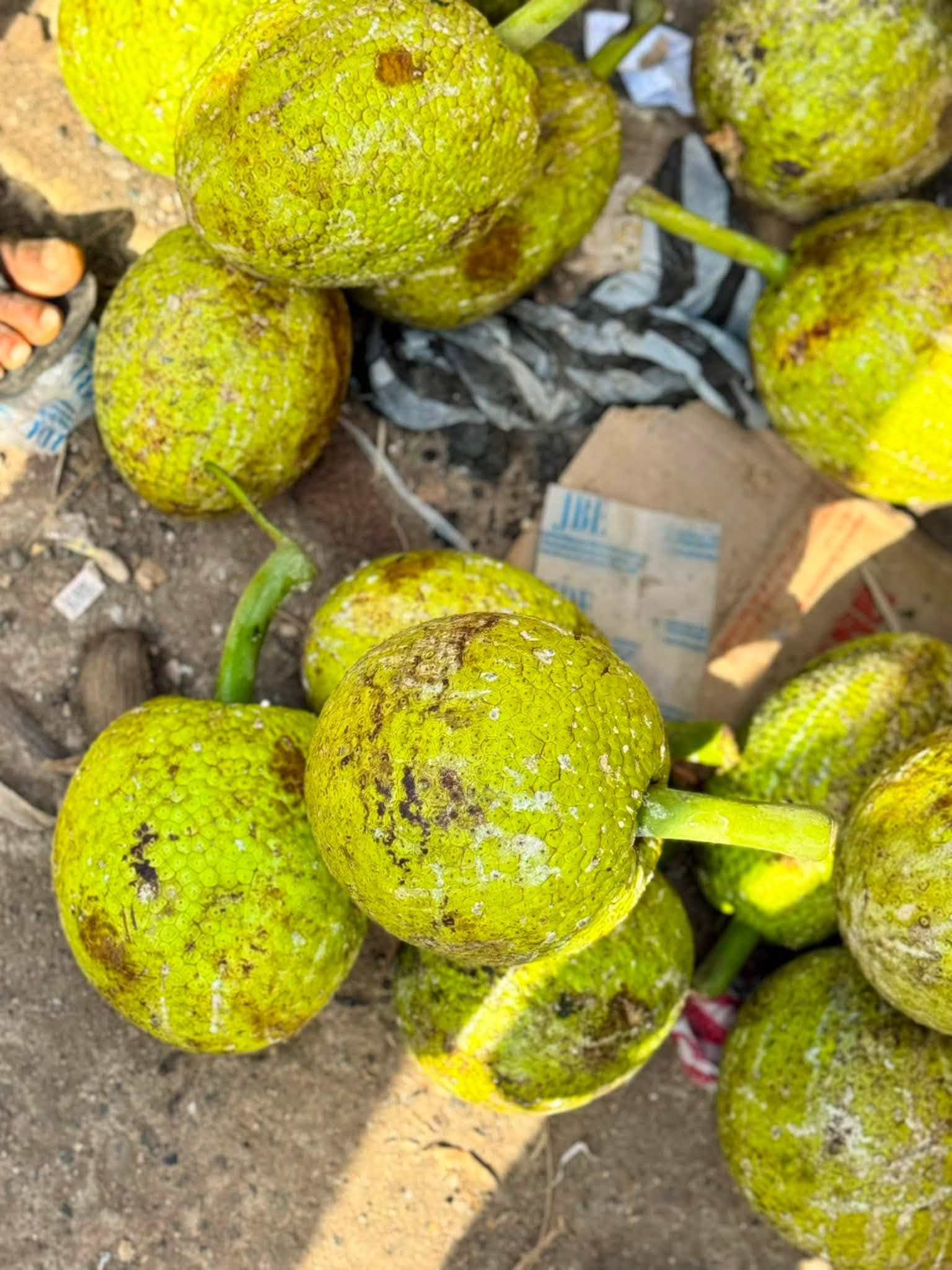
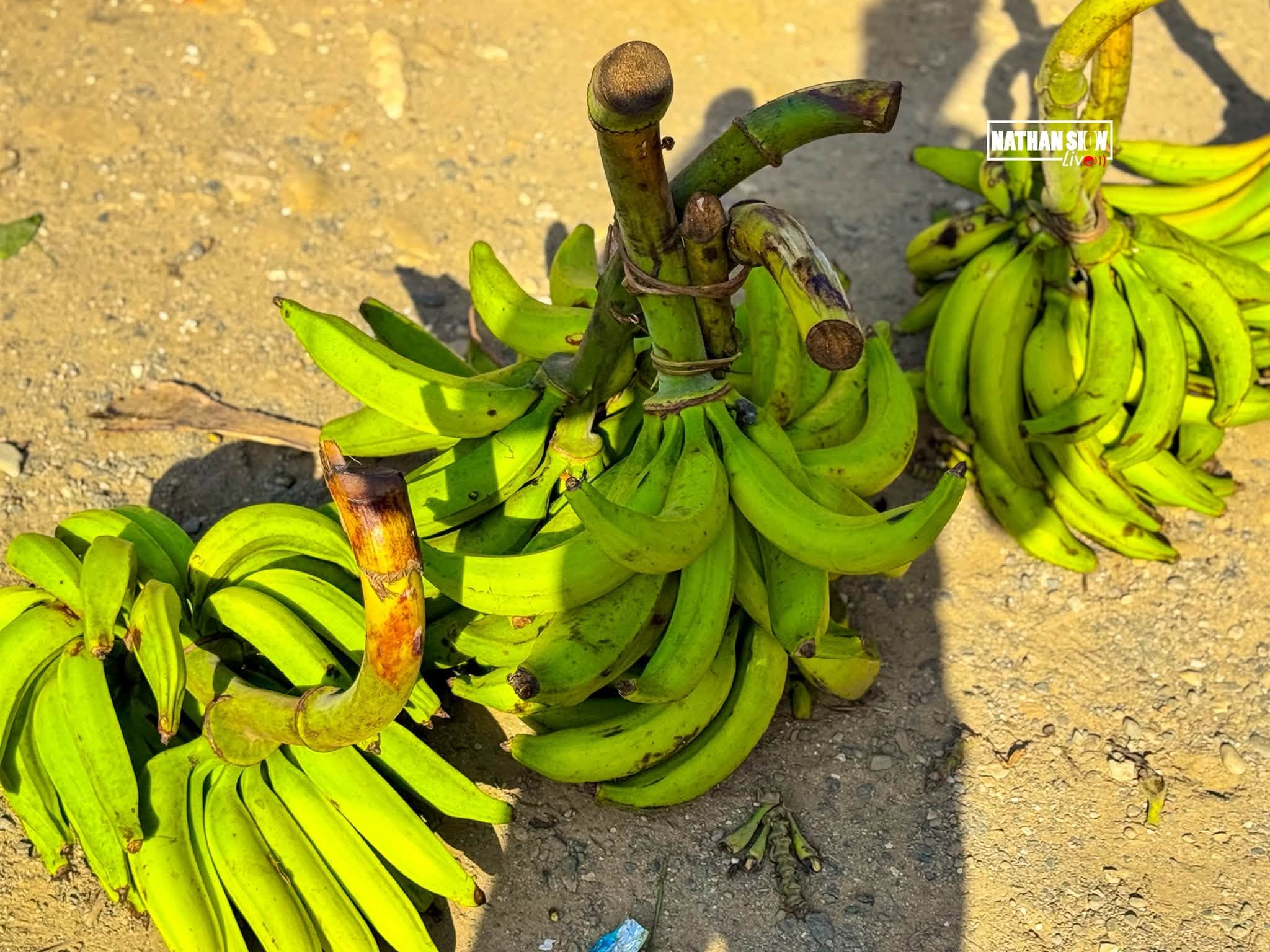
Agriculture is the foundation of daily life in Dame Marie. Local harvests include coffee, mango, plantain, yam, sweet potato, coconut, and vetiver, and the economy rests on working the land and raising livestock — the “primary sector” that feeds families and sustains livelihoods.
The surrounding land is fertile, and farming shapes the rhythm of the community. There is real opportunity to help farmers improve yields, add value to their crops, and reach wider markets.
Fishing
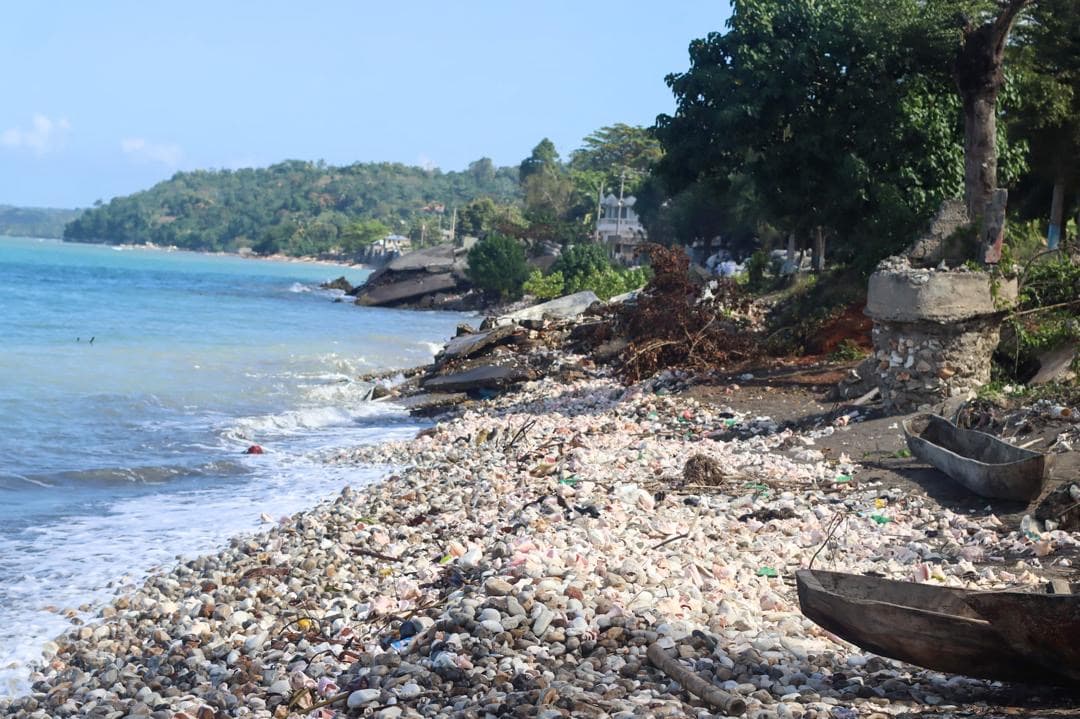
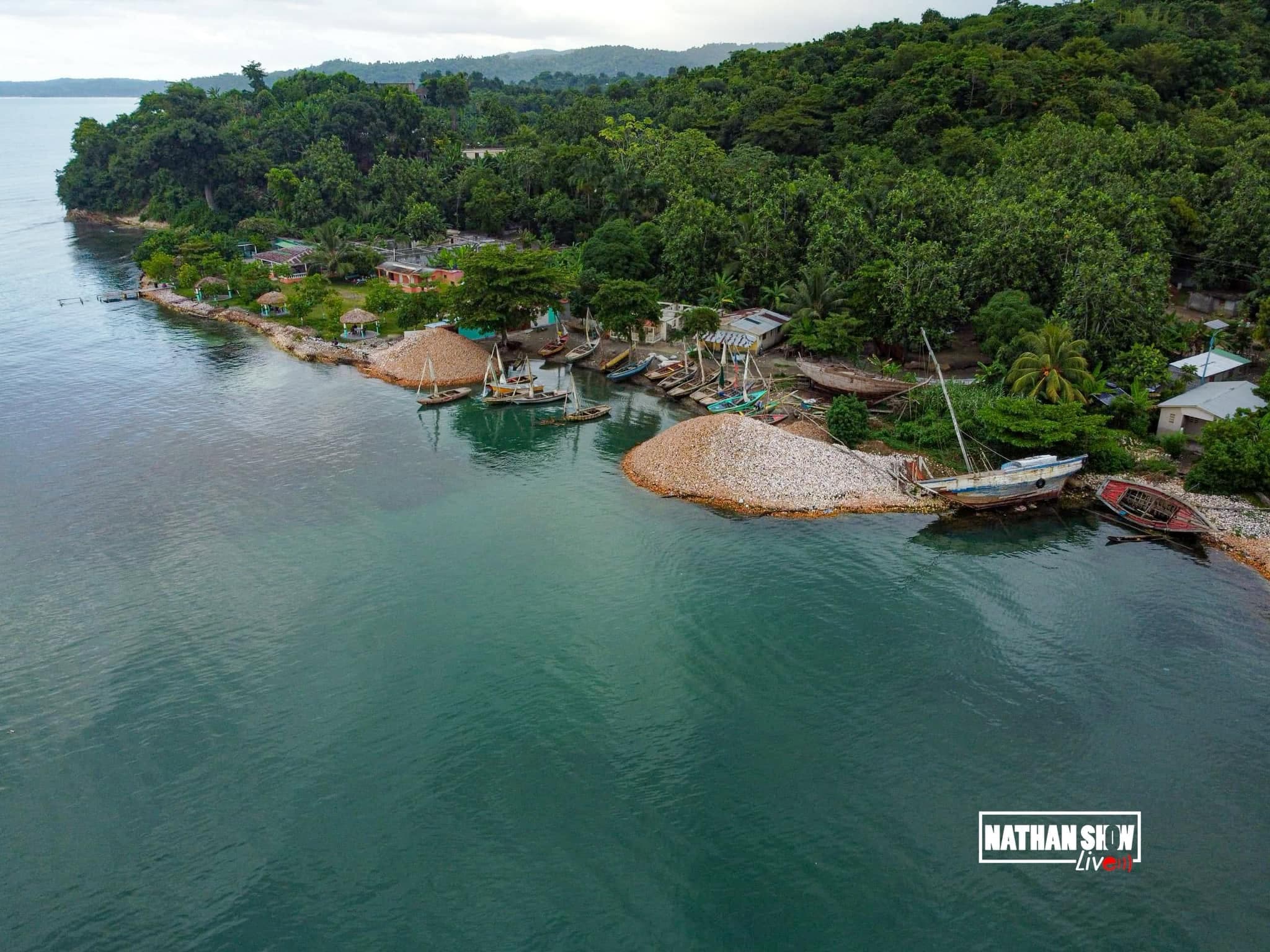
As a coastal town, fishing is woven into Dame Marie’s daily life and food supply. Families have long fished these waters, and the sea remains vital to the community’s livelihood.
Supporting local fishers — with equipment, cold storage, and access to markets — is one of many ways to strengthen the coastal economy.
Environment
Dame Marie’s coastline, rivers, and green hillsides are a natural treasure. Like much of Haiti’s coast, the community is also exposed to powerful storms — from the historic cyclone of 1843 to Hazel and, more recently, Hurricane Matthew — which makes protecting the environment and building resilience essential.
Reforestation is a real opportunity here: as a local saying goes, a single mango seed planted in the rainy season can help bring part of the land back to life. Caring for the coast, rivers, and forests protects both livelihoods and the town’s future.
Infrastructure
Dame Marie is home to a range of civic institutions — a town hall (mairie), a justice-of-the-peace court, tax and civil-registry offices, and the National Identification Office (ONI) — along with a national police station inaugurated in 2019.
Health services include the Hôpital de la Communauté Dame-Marienne, private clinics, and community dispensaries across several sections, and a communal agricultural office (BAC) supports local farmers. Even so, roads, reliable electricity, clean water, and connectivity remain key priorities — see “The Needs” for how we hope to help.
Local Economy
Life in Dame Marie is built on its natural resources. Most families live from the primary sector — farming, livestock, and fishing — while trade, small business, and a busy informal market connect the town to markets beyond. Local institutions such as an agricultural cooperative (CAUD) and a community credit union (CPDAM) help keep money and opportunity within the community.
There is real potential to grow the local economy by adding value to what the land and sea already provide, and by creating new opportunities for young people to build a future at home.
Tourism Potential
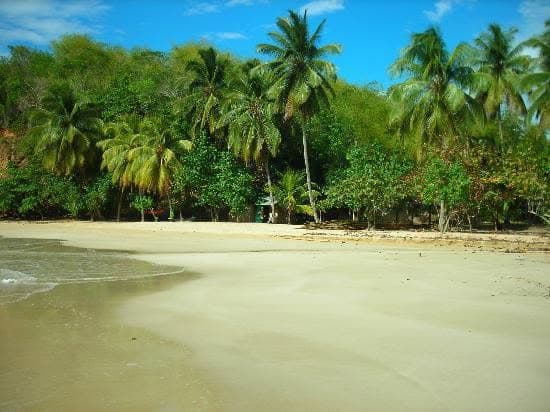
With beaches such as Laye along its coast, a striking shoreline, and warm hospitality, Dame Marie holds genuine potential for responsible tourism. The town has welcomed visitors before — its first hotels date back to the 1800s.
Developed thoughtfully and in partnership with residents, tourism could create new income and opportunity while celebrating the community’s culture and natural beauty.
Community Strengths
Dame Marie’s greatest strength is its people — resilient families, farmers, fishers, and young people full of potential, anchored by faith, hard work, and deep pride in their home.
That strength extends across the world through a devoted diaspora who stay connected to Dame Marie and invest in its future — the foundation everything else is built on.
Development opportunities
Dame Marie’s strengths — its people, land, coastline, and culture — are the foundation for real opportunity: in education, agriculture, responsible tourism, clean energy, and small business. With the right partnership, that potential becomes progress.